











About Dippa

A consulting practice that ships the systems it recommends.

Dippa helps companies turn operating problems into software and AI they can run — from the first diagnostic workshop through production delivery and handover. We are engineers, architects, and operators who stay in the room until the work is real.

Founded to close the gap between strategy slides and production systems, we work with leadership teams in fintech, healthcare operations, logistics, retail, and B2B SaaS who need senior execution — not another vendor catalogue. Every engagement is scoped, built, and transferred by the same principals.

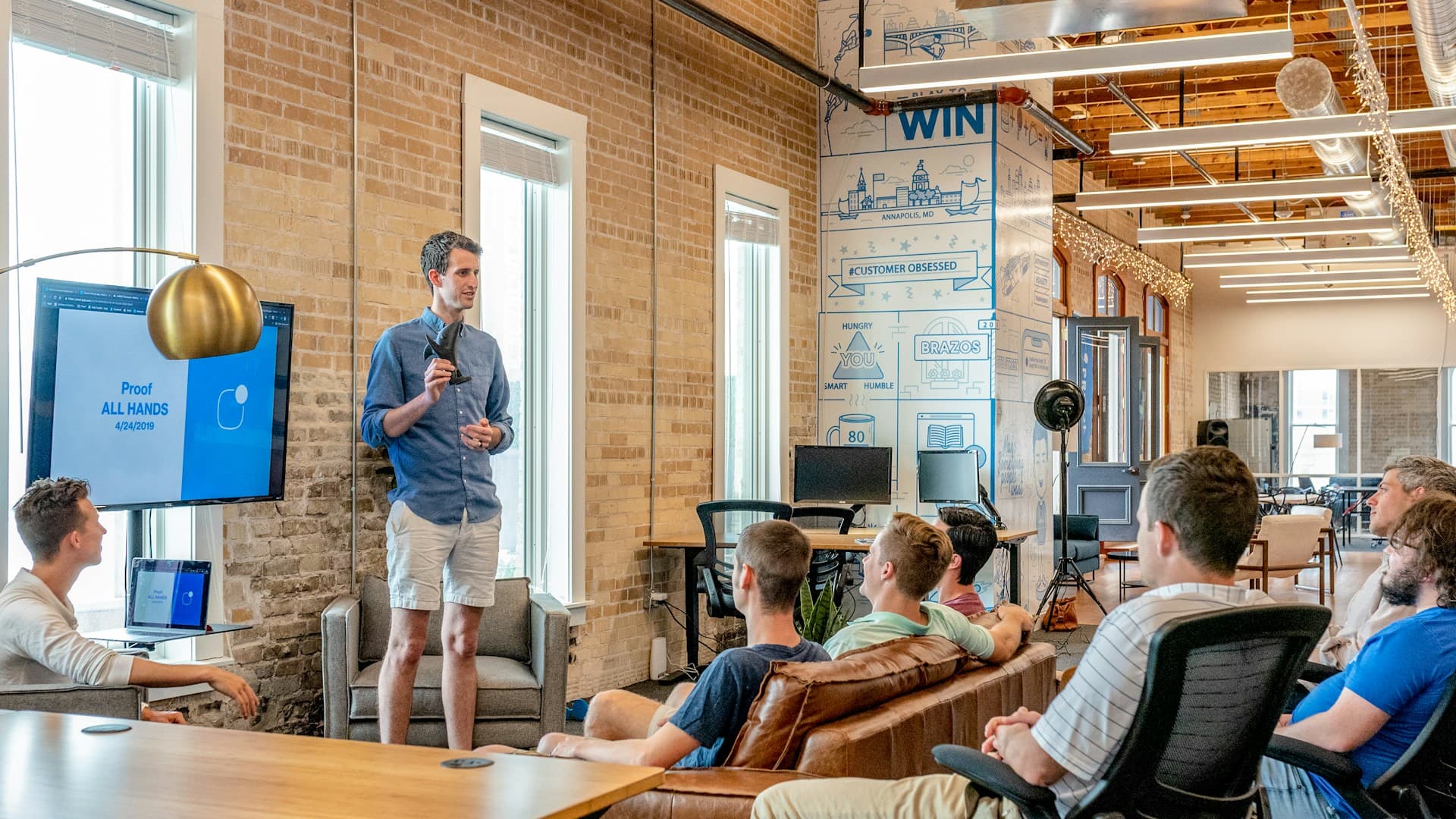
Team collaboration in a client workshop
Engineering team planning delivery
Modern workspace

Inside the practice

Workshops, architecture reviews, and production delivery — in the same engagement, with the same team.

48+

high-trust launches shipped

14d

to first production prototype

93%

client retention on strategic work

Chapter 01

We start with the operating reality, not the roadmap deck.

Most organisations we meet already own software, vendors, and a backlog of AI ideas. The gap is rarely tooling. It is a clear line from the constraint in the business to a system people will actually use when the project team has gone home.

Dippa exists to hold that line. We sit with operators and leadership, name what must change, and stay accountable through design, build, and handover. Consulting and engineering are one engagement — not a strategy phase followed by a separate delivery vendor.

Consultants and client team in a working session

Chapter 02

AI only counts when operators trust it on a normal Tuesday.

A platform nobody uses is not progress. An agent that demos well but cannot be audited is a liability — especially in regulated or high-volume operations.

We design for the working week: shorter cycles, clearer decisions, fewer handoffs, and controls your team can explain to leadership or a regulator. Permissions, observability, and human override are in scope from week one.

AI agent systems — intelligent automation and neural workflow architecture

Chapter 03

The same team that scoped the work ships production code.

Hand-offs between strategy firms and delivery vendors are where intent gets lost. We keep discovery, architecture, and implementation in one accountable chain — with weekly demos against agreed scope.

Whether we are building an internal platform, integrating legacy systems, or standing up agent workflows, progress stays visible. You always know what shipped, what is in staging, and what is explicitly out of v1.

Engineering team building and reviewing software delivery

Chapter 04

We are done when your operators can run it without us.

Delivery is not a go-live party followed by silence. Runbooks, admin guides, training, and a defined support window are part of the contract — not stretch goals after the budget is spent.

Our engagements succeed when your team owns the system: monitoring alerts they understand, escalation paths that work on a busy Monday, and documentation that matches what is actually in production.

Team handover session and operational transfer

Engagement model

Four movements. One accountable team.

Clients should always know what happens next, who owns each decision, and what “done” means before a line of code is written. Our sequence is deliberate — familiar enough to govern, rigorous enough to ship.

  1. 01

    Discover

    We start with how the business runs today: the work, the systems, the constraints, and the owners. No solution is proposed until the operating problem is clear.

    Typical outputs: process maps, system inventory, stakeholder interviews, and a written problem statement leadership signs off.

  2. 02

    Recommend

    You receive a scoped plan — architecture, sequence, risks, and what will not be built. Leadership can approve a path, not a vague ambition.

    Typical outputs: architecture outline, phased scope, risk register, and explicit list of what will not be built in v1.

  3. 03

    Build

    The same team that framed the work implements it: software, AI workflows, or both. Progress stays visible against the agreed scope.

    Typical outputs: working software or agent flows in staging, weekly demos, and traceability from requirement to release.

  4. 04

    Transfer

    We hand over documentation, controls, and operating practice so your people can run the system. Support continues if you want a next phase.

    Typical outputs: runbooks, admin guides, training sessions, and a support window with defined SLAs.

Practice areas

Where we spend our time

Three disciplines, one contract. You do not coordinate a separate software house, AI lab, and strategy firm — the same principals architect the system, build it, and transfer it.

Software engineering and product development team at work

Software Systems

Product Engineering

Premium internal platforms, customer-facing apps, and operational software built with senior product judgment from day one.

Engagements in this practice usually combine discovery with hands-on delivery — we do not hand off a specification and disappear. Teams get senior engineers and architects in the same cadence as leadership reviews.

  • Web apps and internal tools
  • Platform architecture and engineering systems
  • Launch-ready engineering teams
AI agent orchestration and autonomous operations workflow

Autonomous Operations

AI Agent Systems

We design agent workflows that reason, route work, call tools, and stay observable enough for serious businesses to trust.

Engagements in this practice usually combine discovery with hands-on delivery — we do not hand off a specification and disappear. Teams get senior engineers and architects in the same cadence as leadership reviews.

  • Multi-step AI agent orchestration
  • Back-office automation and copilots
  • Knowledge, retrieval, and approval loops
Consulting workshop and strategic delivery planning

Consulting That Ships

Advisory + Delivery

Strategy is only useful if it survives contact with implementation. We audit, prioritize, and then stay close enough to execute.

Engagements in this practice usually combine discovery with hands-on delivery — we do not hand off a specification and disappear. Teams get senior engineers and architects in the same cadence as leadership reviews.

  • Technical due diligence
  • Transformation roadmaps
  • Embedded leadership support

Standards

What we hold ourselves to

These are not wall posters. They are the tests we apply when a project is tempting to over-scope, over-automate, or under-document.

01

Diagnose before we prescribe

Tools and models are easy to buy. The harder work is naming the process that should change, who is accountable, and what a good week looks like after go-live.

02

Advice that survives implementation

We do not separate strategy from delivery. The people who recommend the system stay close enough to build it, so the plan is honest about time, data, and risk.

03

AI with an operating model

Automation is useful only when it is observable, permissioned, and easy to override. We design agents and workflows that operators can inspect and trust.

04

Leave the organisation stronger

The engagement is successful when your team can run what we shipped — not when a demo looks impressive. Handover, documentation, and controls are part of the work.